
Website Proxy: What It Is, How It Works, and Why People Use It
- Jan 28
- 4 min read


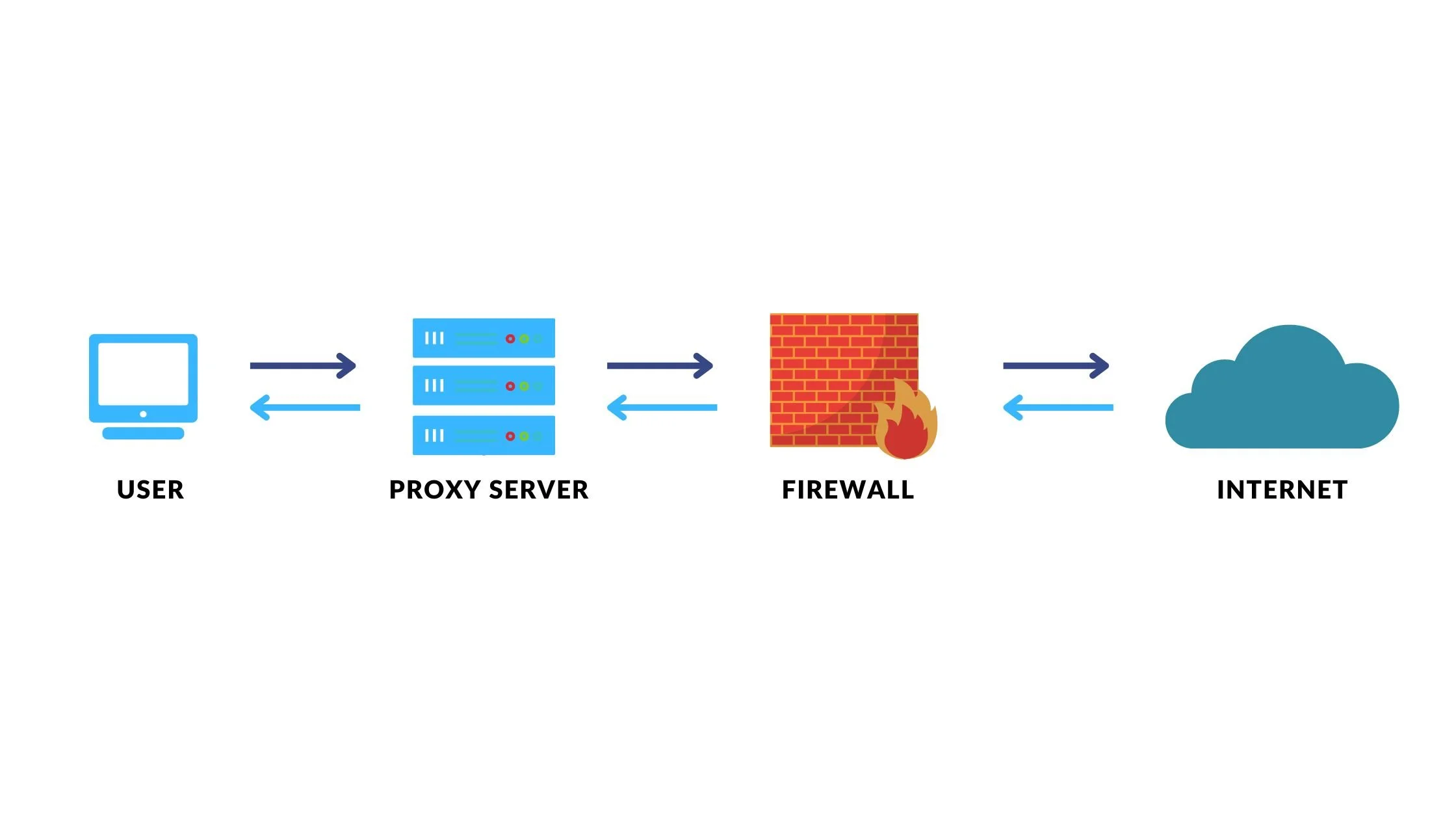
A website proxy is a powerful tool used to access websites securely, privately, and without restrictions. With growing concerns about privacy, censorship, and online tracking, millions of users search for website proxy solutions to browse the internet safely and anonymously.
This guide explains exactly what a website proxy is, how it works, why people use it, and when it is the right solution.
What Is a Website Proxy
A website proxy is an intermediary server that sits between a user and a website. Instead of connecting directly to a website, the user connects through the proxy, which then fetches the website content on their behalf.
This means:
The website sees the proxy’s IP address, not the user’s
The user’s real location is hidden
Browsing activity becomes more private
Website proxies are commonly used for privacy, security, and access control.
How a Website Proxy Works
When using a website proxy, the browsing process changes slightly:
The user enters a website URL into the proxy
The proxy server sends the request to the target website
The website responds to the proxy
The proxy delivers the content back to the user
This indirect connection helps mask identity and bypass certain restrictions.
Why People Use a Website Proxy
Website proxies are used for many reasons, both personal and professional.
Common reasons include:
Hiding IP address and location
Browsing anonymously
Accessing blocked or restricted websites
Improving online privacy
Protecting against tracking and monitoring
For users in restricted networks, a website proxy provides open access to information.
Website Proxy for Privacy and Anonymity
One of the main benefits of a website proxy is privacy. By hiding your real IP address, a proxy helps prevent websites from tracking your browsing behavior.
Privacy benefits include:
Reduced online tracking
Masked location data
Protection on public Wi-Fi
Lower exposure to targeted ads
This makes website proxies popular among privacy-conscious users.
Website Proxy vs Direct Website Access
Using a website proxy changes how you interact with the internet.
Direct access:
Website sees your real IP
Location is visible
Activity can be tracked
Website proxy access:
IP address is hidden
Location is masked
Browsing is more private
This distinction is why website proxies are widely used for anonymous browsing.
Types of Website Proxies

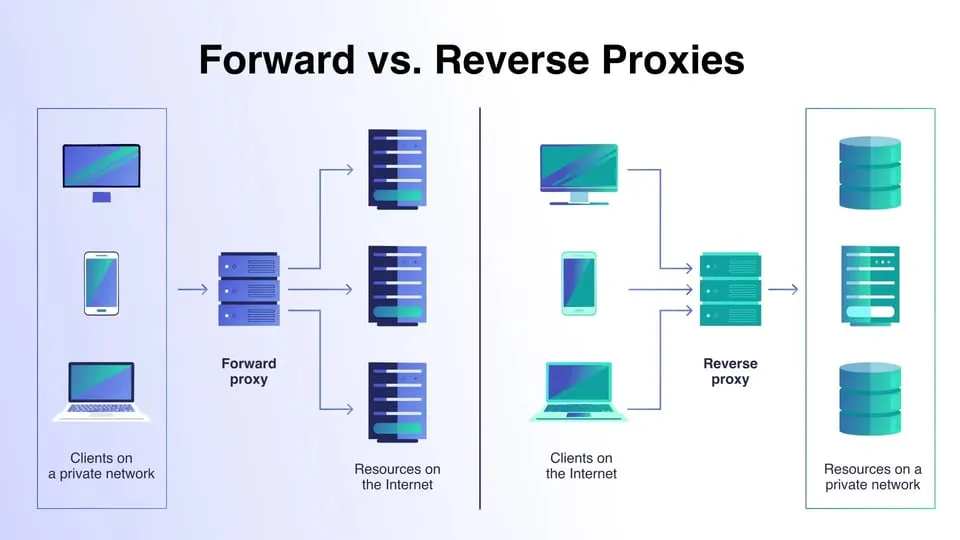


Different types of website proxies serve different purposes.
Forward Website Proxy
Used by individuals to access websites anonymously or bypass restrictions.
Transparent Proxy
Often used by organizations to monitor or control internet usage. Users may not know it exists.
Anonymous Proxy
Hides the user’s IP address but identifies itself as a proxy.
Elite Proxy
Completely hides both the user’s IP and the fact that a proxy is being used.
Website Proxy for Businesses
Website proxies are not just for individuals. Businesses use them for:
Market research and competitor analysis
Ad verification
Website testing from different locations
Managing multiple accounts
Security and traffic control
A website proxy allows businesses to simulate real user behavior from various regions.
Website Proxy and Security
A website proxy can improve security by acting as a buffer between users and websites.
Security advantages include:
Protection against malicious websites
Filtering harmful content
Reducing direct exposure to threats
Blocking unwanted tracking scripts
However, security depends on using a trusted proxy service.
Free Website Proxy vs Paid Website Proxy
Free website proxies are easy to access but come with limitations.
Free proxies:
Slower speeds
Limited security
Potential data logging
Ads and restrictions
Paid website proxies:
Faster performance
Better privacy protection
Encrypted connections
Dedicated IP options
For sensitive or professional use, paid proxies are generally safer.
Website Proxy vs VPN
Website proxies and VPNs are often confused, but they are not the same.
Website proxy:
Works at the browser or website level
Protects specific web traffic
Easier to use
VPN:
Encrypts all internet traffic
Protects all apps and connections
Offers stronger security
A website proxy is ideal for quick, targeted browsing, while a VPN is better for full-device protection.
Is Using a Website Proxy Legal
In most countries, using a website proxy is legal. However, legality depends on how it is used.
Acceptable use includes:
Privacy protection
Research and testing
Accessing public information
Illegal use may involve:
Bypassing laws or regulations
Accessing restricted content unlawfully
Violating website terms
Always use a website proxy responsibly.
Common Website Proxy Mistakes
Using untrusted free proxies
Entering personal or financial data
Assuming all proxies are secure
Ignoring speed and reliability
Not checking privacy policies
Avoiding these mistakes ensures safer proxy usage.
Frequently Asked Questions
What is a website proxy used for
A website proxy is used to browse the internet anonymously, hide IP addresses, and access restricted websites.
Is a website proxy safe
A website proxy can be safe if it comes from a trusted provider and is used properly.
Can a website proxy hide my location
Yes, a website proxy can mask your real location by replacing your IP address.
Do website proxies work on mobile devices
Yes, many website proxies work on both mobile and desktop browsers.
Conclusion
A website proxy is a valuable tool for anyone who wants more privacy, control, and access while browsing the internet. Whether used for anonymity, security, business research, or bypassing restrictions, website proxies play a critical role in modern web usage.
When used responsibly and with trusted services, a website proxy offers a safer and more flexible way to navigate the internet.


Comments